Published : 2026-08-21
This series delves into the formidable industrial output rooted in these small towns, pulling back the curtain on China's unsung manufacturing empires.
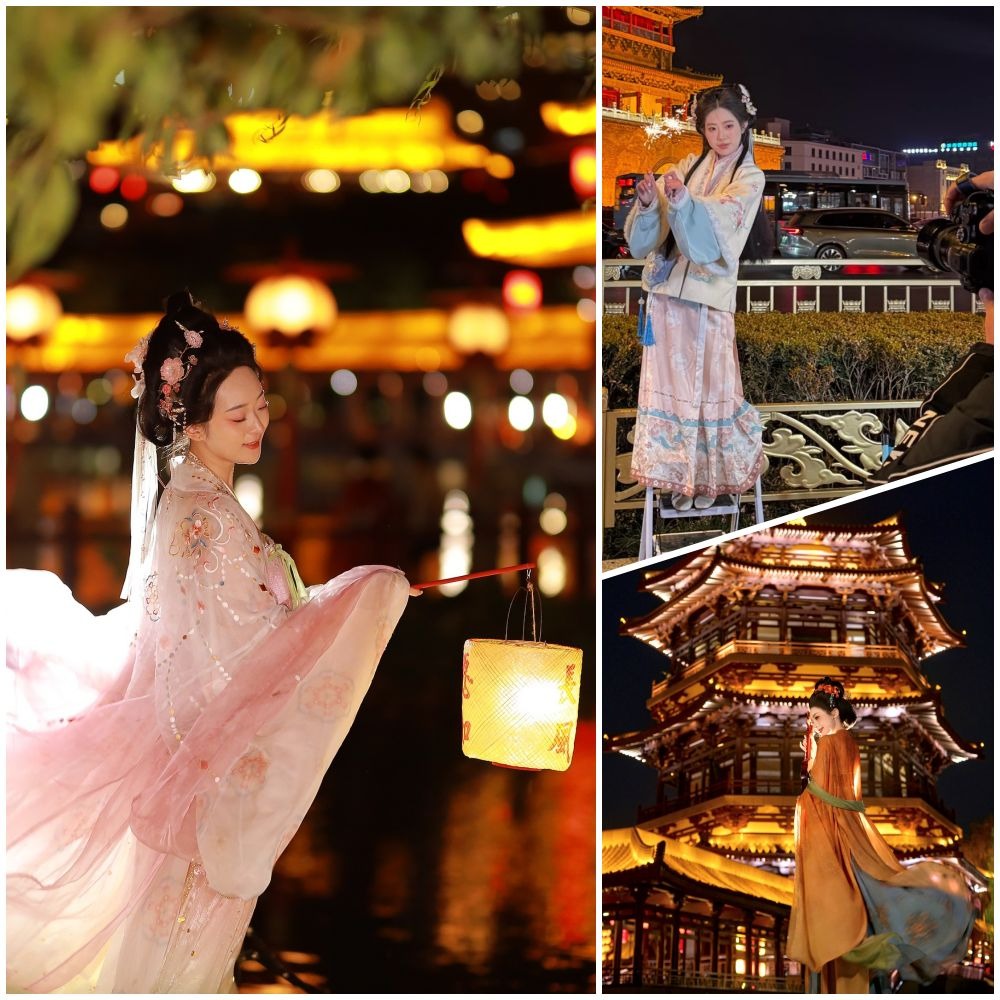
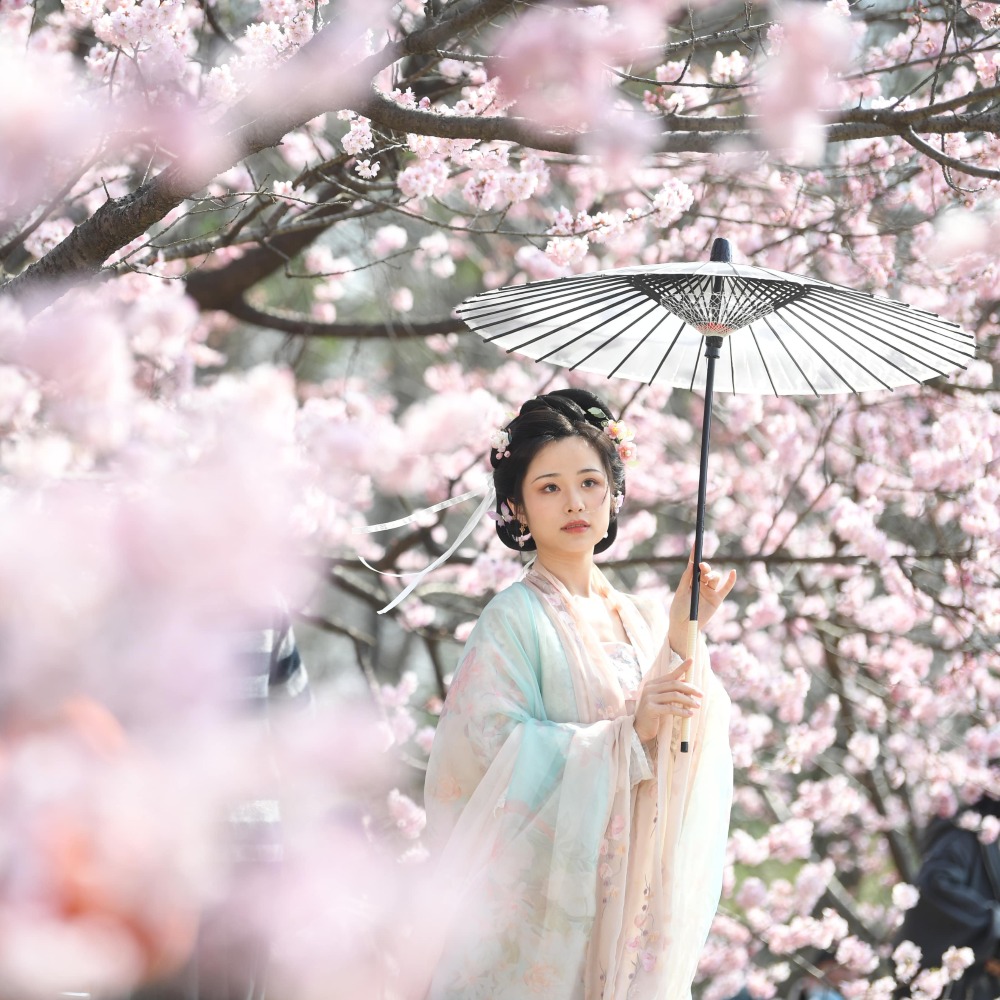
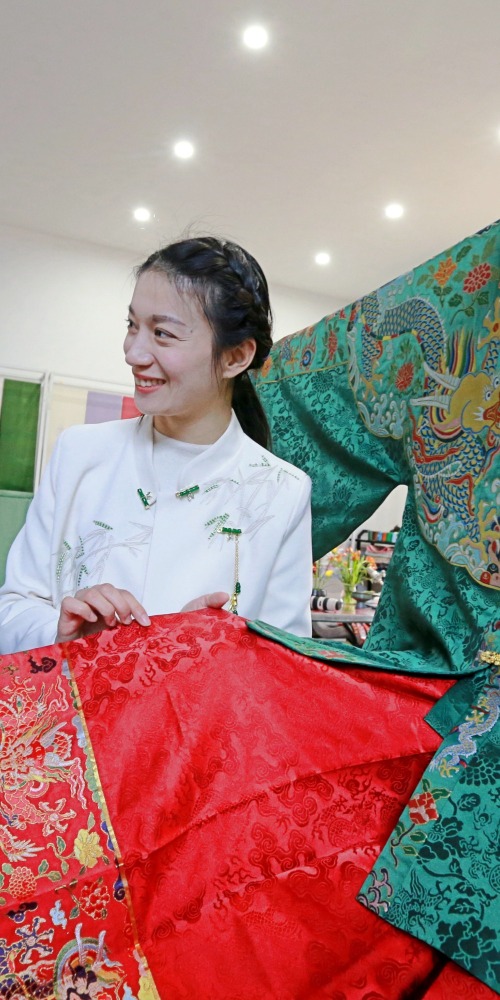
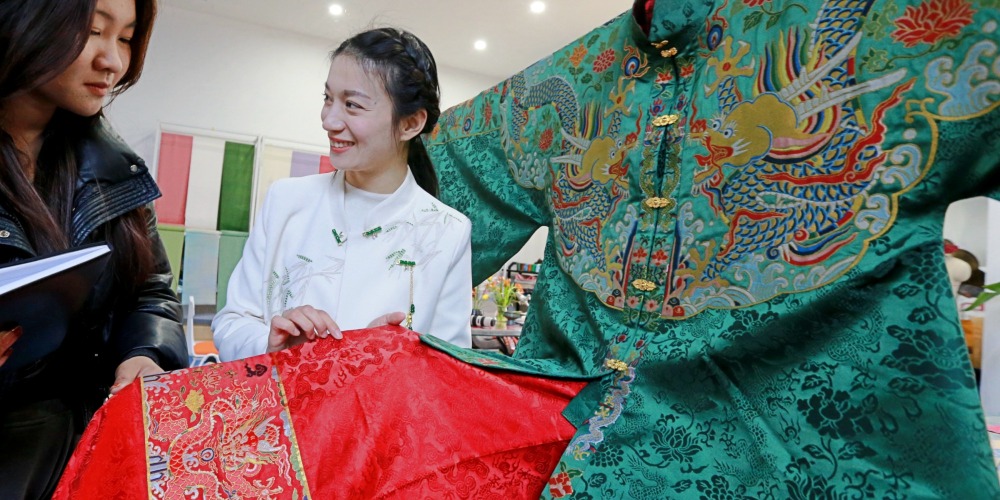
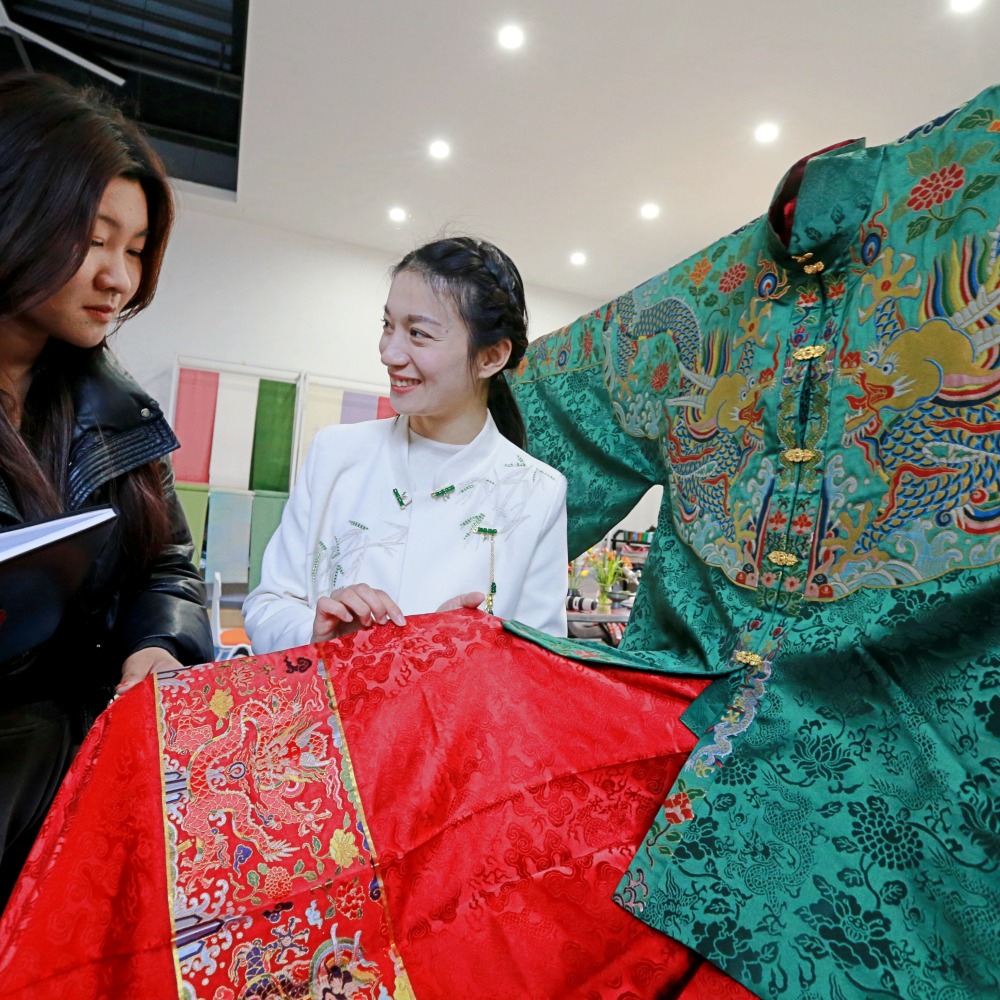
Spotted more and more often along China's high streets and alleys, traditional Hanfu garments could easily trace their roots back to a quiet town off your radar: Daji, Shandong Province.
Serving as the local nerve centre for Hanfu manufacturing, Daji turns over more than 2 billion RMB a year in sales of these historic robes. So, how did a little town manage to forge an empire of traditional fashion?
Daji Town: number one in China's Hanfu industry
Daji Town (大集鎮), located in Cao County, Heze City, Shandong Province, covers an area of about 45 square kilometres and has a population of about 46,000.
In truth, this unassuming town in China's central plains boasts a remarkable record: it was one of the nation's inaugural "Taobao Towns". Across all 32 of its administrative villages, every last one earned "Taobao Village" status four years running—a feat truly unprecedented nationwide.
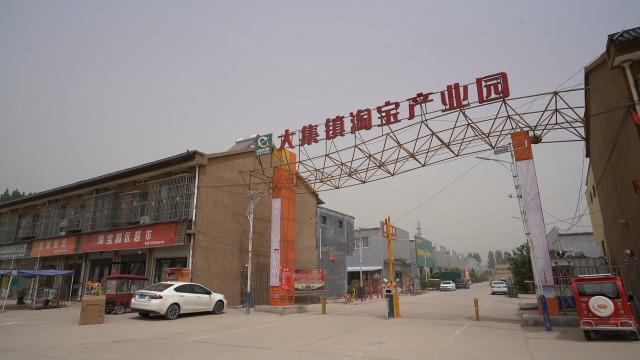
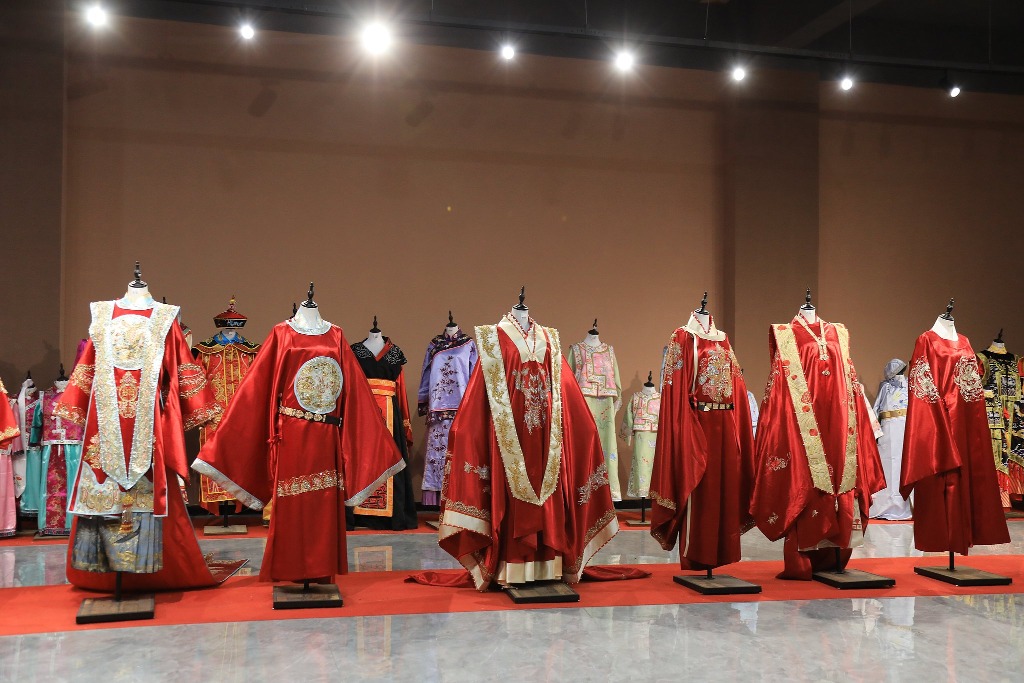
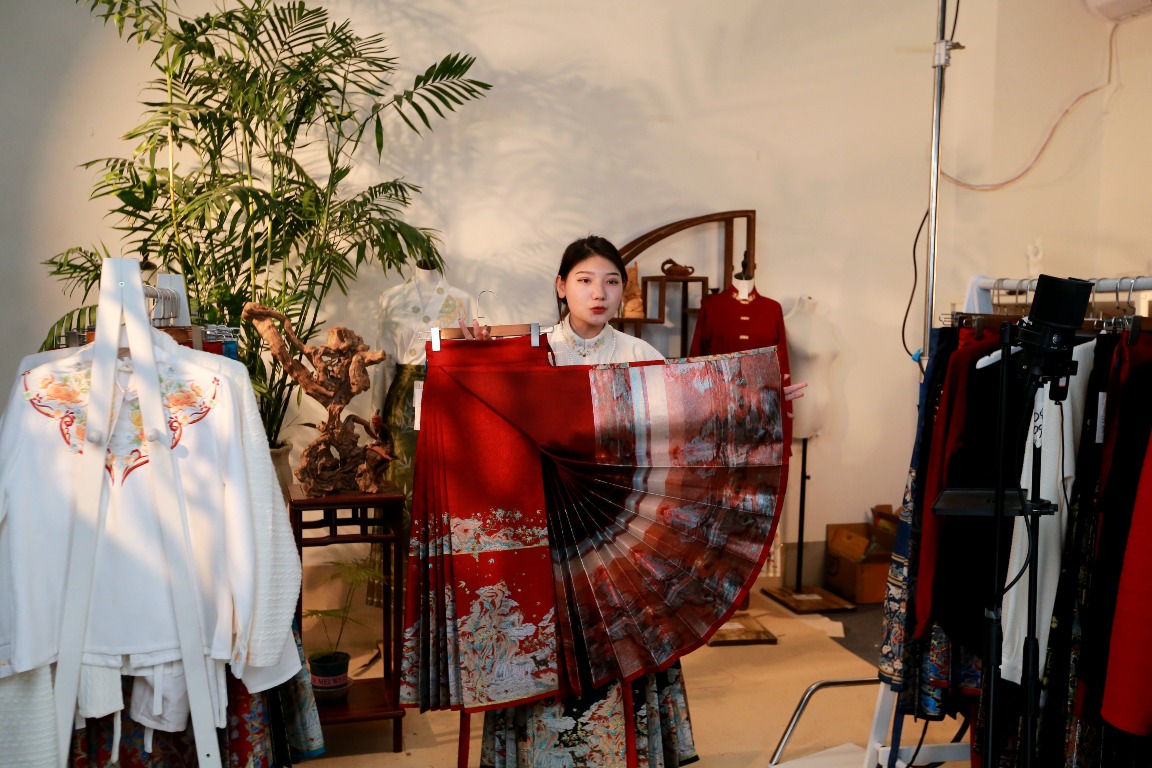
So, where was this strong e-commerce foundation applied? The answer is the currently popular Hanfu (漢服, traditional Chinese clothing). In Daji Town, there are over 900 original Hanfu enterprises, with 600 of them producing Mamianqun (馬面裙, means "horse-face skirt"), forming a huge Hanfu industrial cluster.
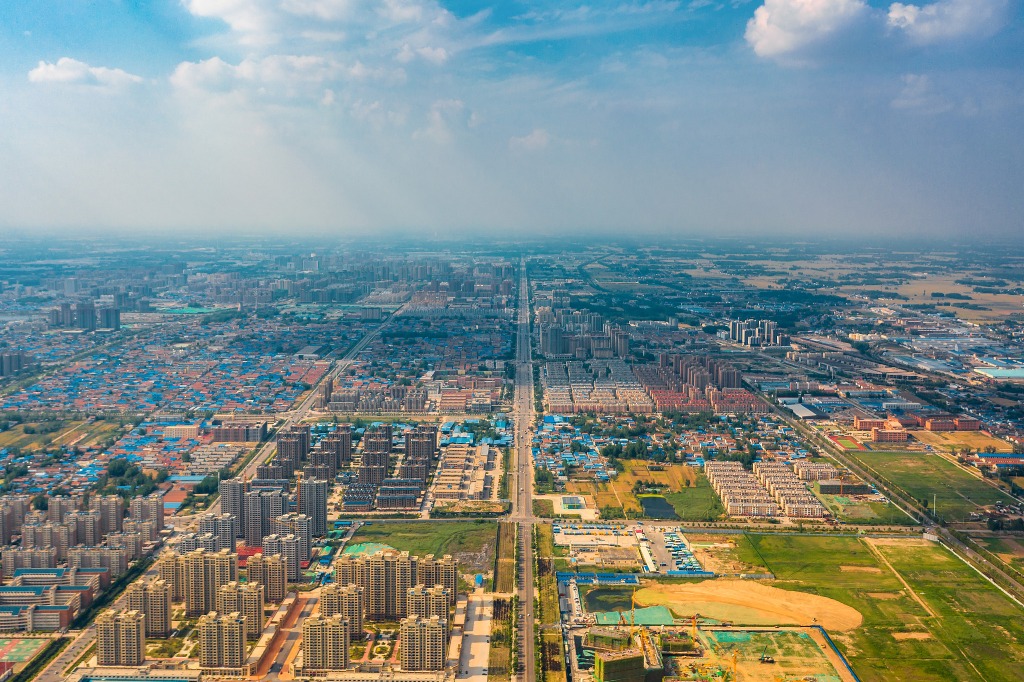
Daji Town's annual Hanfu sales are over 2 billion RMB, and the total Hanfu sales in Cao County, where it is located, exceeded 11.97 billion RMB (in 2024), accounting for more than half of the national market share.
This means that one out of every two Hanfu garments in China comes from Cao County, and they are also exported to countries such as Italy, the United States, and Australia. Cao County is a veritable "Hanfu Capital" and is also jokingly called the "cosmic centre" of Hanfu.
From "performance costume town" to Hanfu base
Before getting involved in Hanfu, Daji Town was originally a famous production base for performance costumes.
At the turn of the century, some villagers made costumes for photo studios during the agricultural off-season, and the production scale of these family workshops was small and scattered.
In 2010, a couple in Daji Town ran the first internet cable in a village that did not yet have broadband, assembled a computer, and opened an online shop.
A few months later, they successfully sold their first performance costume, earned their first pot of gold, and embarked on the path to entrepreneurship and wealth.
After that, the phrase "it's better to go home and do Taobao than to run around outside" spread throughout Cao County. The villagers imitated and drove each other, from pattern making and printing, to cutting and sewing, and then to sales and logistics, forming a complete industrial chain for performance costumes.
Around 2010, China's e-commerce entered a period of explosive growth, and the state supported traditional enterprises in going online.
The villagers of Daji Town seized this policy opportunity, gradually creating a situation where "every family opens an online shop, and every household engages in e-commerce", and the production model also transformed from family workshops to standardised factories.
In recent years, with the rise of Hanfu culture, industries related to "China-chic" have received increasing attention.
In November 2025, the "Implementation Plan on Enhancing the Adaptability of Consumer Goods Supply and Demand to Further Promote Consumption" issued by the Ministry of Industry and Information Technology proposed the formation of 10 consumer hotspots worth hundreds of billions by 2027, with China-chic clothing being one of them.
Local garment factories quickly shifted from making performance costumes to Hanfu within a few years.
Hanfu from Daji Town made its breakthrough with low prices and practicality, targeting the lower-tier market and student groups.
A set of Hanfu typically costs between tens to two hundred RMB, far lower than traditional high-end Hanfu, and its price advantage has promoted the popularisation of Hanfu as well.
Why Daji Town? How did it become a Hanfu production base?
China has so many garment production areas, so why did Daji Town in particular become the Hanfu production base?
As mentioned above, before producing Hanfu, Daji Town already had experience in producing performance costumes and photography studio attire, possessing mature garment production techniques and a labour force foundation.
In addition, Daji Town's one-hour supply chain has also provided great convenience for Hanfu production.
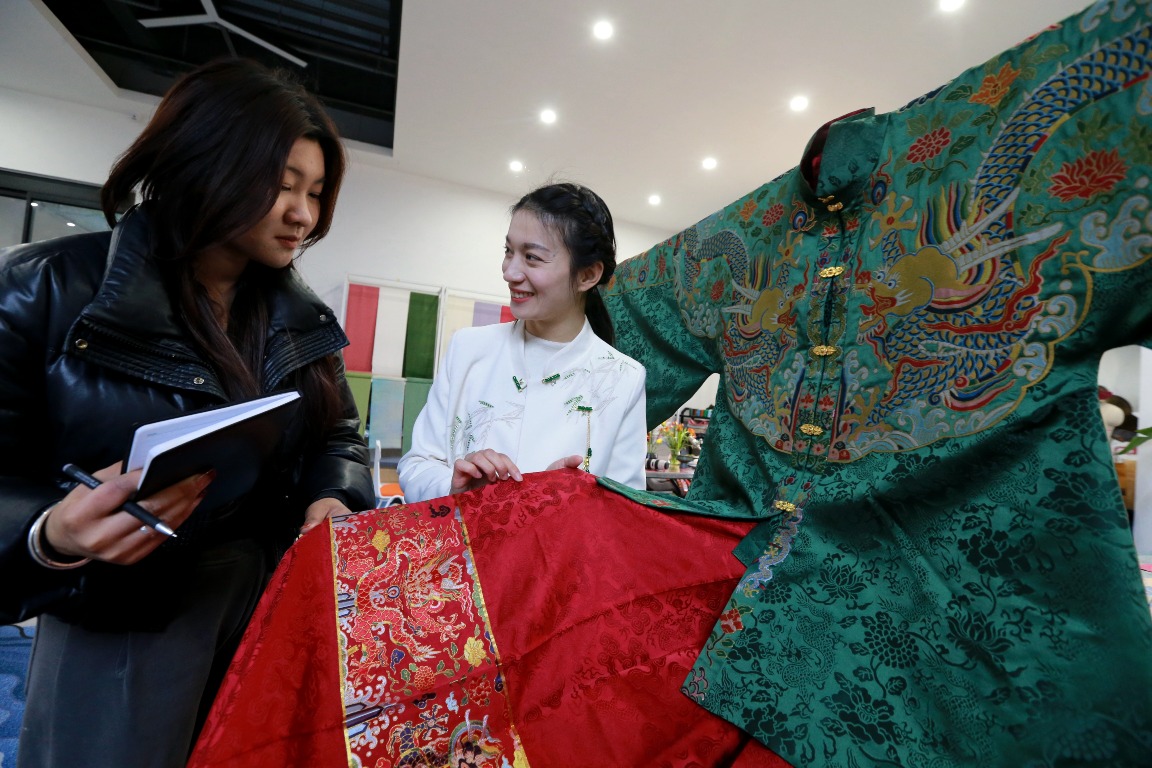
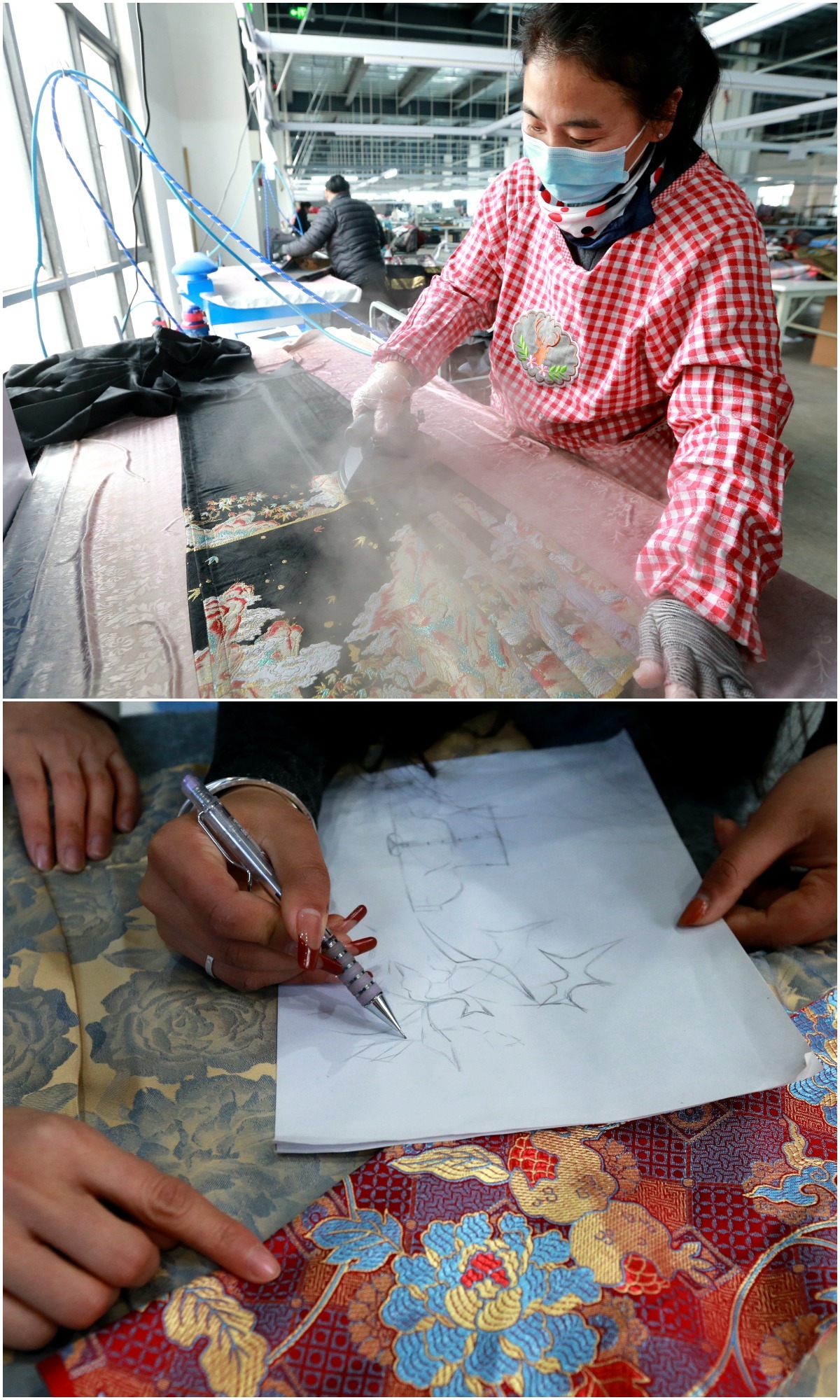
Daji Town has formed a complete industrial chain including design and pattern-making, fabric and accessory supply, printing and embroidery, and 3D printing. From finding designers for patterns to selecting fabrics and accessories, everything can be easily completed within the industrial park.
In one hour, all arrangements for a piece of Hanfu, from design and material selection to production, can be finalised.
The agglomeration effect of the industrial chain is very prominent. Efficient division of labour and low production costs have created a competitive advantage for Daji Town's Hanfu that is difficult to replicate.
The combination of traditional clothing and e-commerce, where producers communicate directly with consumers through e-commerce, is a manifestation of the modernisation of production methods.
In addition to the two factors above, strong government support is also key to the success of Daji Town's Hanfu. To support the development of the Hanfu industry, the Daji Town government has actively invested in infrastructure construction and helped enterprises coordinate loans.
To protect original brand designs, Cao County established an intellectual property rights rapid defence centre in 2021, which significantly shortened the patent application time from seven months to about a week, providing solid protection and strong support for original Hanfu enterprises.
Where is the future of Daji Town's Hanfu headed?
While Daji Town may now reign as the "centre of the universe" for Hanfu production, it cannot afford to stand still. Up against evolving consumer tastes, fiercer market competition, and its own operational bottlenecks, the town must now reinvent and upgrade its industry.
In the beginning, most Hanfu enterprises in Daji Town pursued a strategy of small profits and quick turnover to rapidly increase volume, resulting in lower product quality, lower profits, and severe homogenisation.
Therefore, the transformation must focus on improving the quality and craftsmanship of Hanfu.
On one hand, enterprises must strengthen the promotion and marketing of Hanfu culture, telling good Hanfu stories and brand stories. On the other hand, they must enhance product updates, especially iterative upgrades at the original design level.
At the same time, enterprises can flexibly use technology for empowerment, introducing digital and intelligent production, such as 3D printing, digital printing, and intelligent cutting technologies.
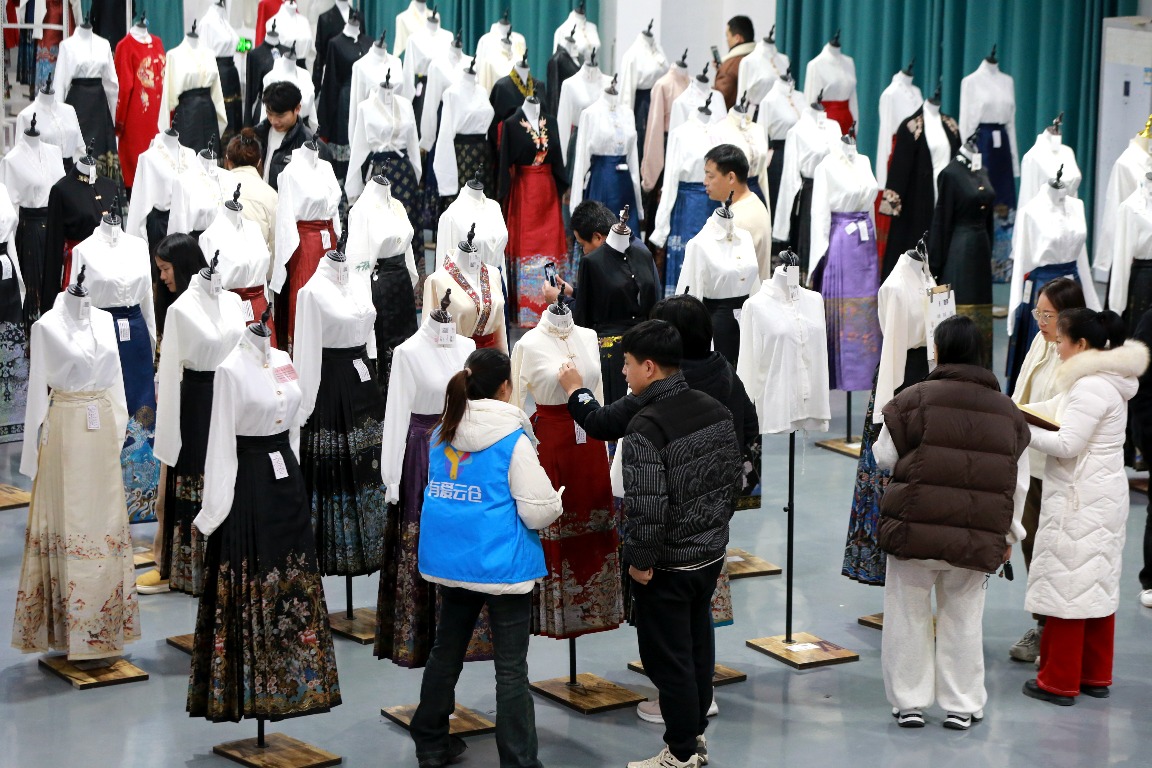
What began as needlework in humble home workshops has expanded to the steady beat of industrial looms, crafting a unique economic realm around the Hanfu garment.
Deeply grounded in a surging sense of cultural pride, the industry has ridden the wave of homegrown trends and seamless online retail. By pairing nimble supply chains with unbeatable value, this small town has cemented its status as the bedrock of the Hanfu world.
A vivid snapshot of how China's rural townships are evolving, Daji Town's future unfolds like a fine bolt of brocade, steadily weaving rich, innovative threads into the broader tapestry of rural renewal.
Read more:
How has China's Xi'an made wearing Hanfu the new normal?
Chinese Huazhao Festival: Celebration of Flower Goddesses' birth?